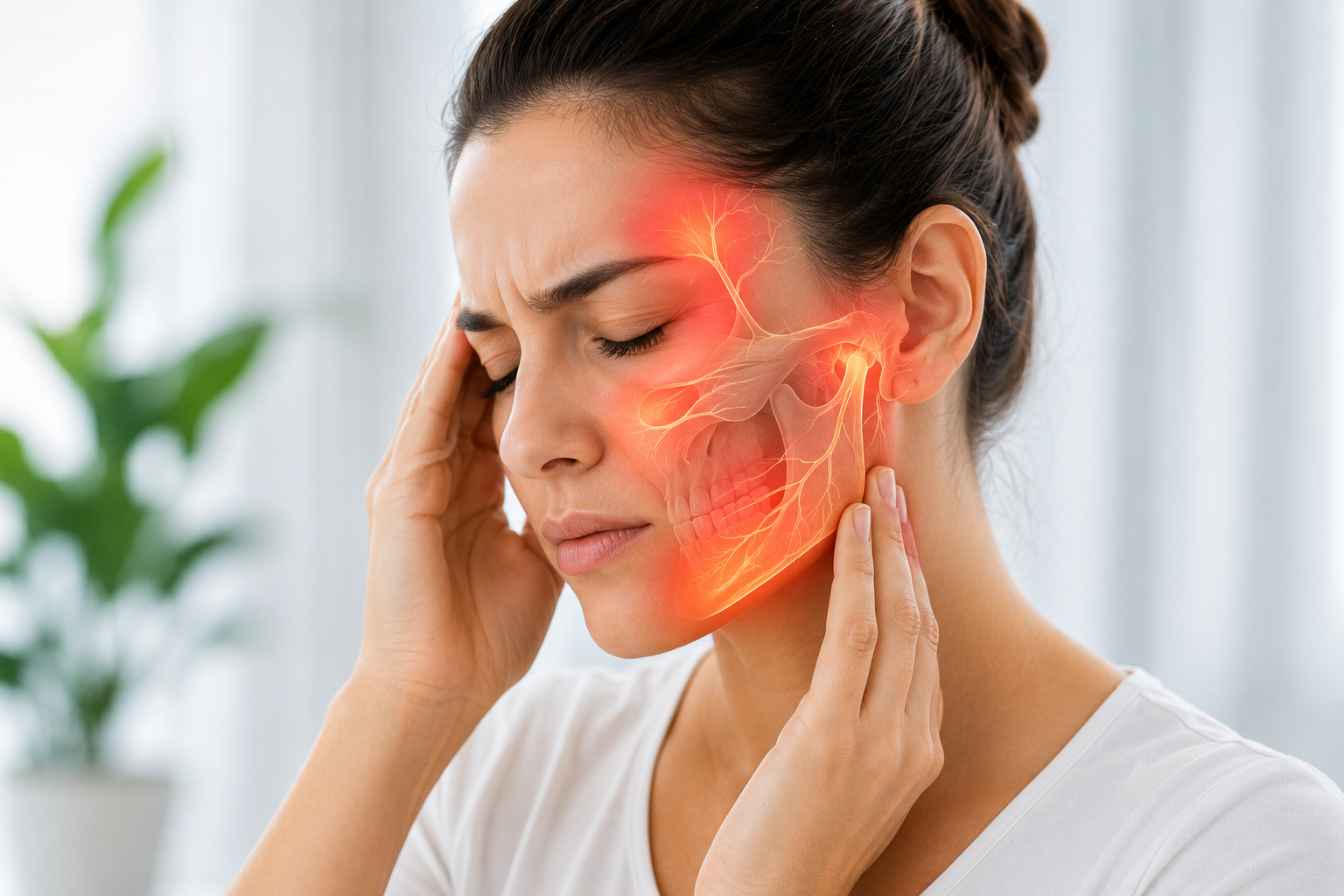
Head and Neck Disorders
At Lucas Rehabilitation, we provide specialized physical therapy for head and neck conditions designed to reduce pain, improve mobility, and restore functional movement. Our evidence-based treatment approach focuses on identifying the underlying causes of symptoms related to the cervical spine, posture, muscle tension, and movement dysfunction.
Physical therapy for the head and neck may help patients experiencing neck pain, headaches, cervicogenic headaches, muscle tightness, postural dysfunction, dizziness, jaw discomfort, nerve irritation, stiffness, and pain related to injury or repetitive strain.
We therapists use individualized treatment plans that may include manual therapy, stretching, strengthening, posture correction, mobility training, soft tissue techniques, and therapeutic exercise to improve comfort, restore movement, and support long-term recovery and better daily function.
Physical therapists can evaluate and treat a wide variety of conditions involving the head, face, jaw, neck, nerves, muscles, joints, balance systems, and movement patterns. Many of these conditions are related to pain, posture, nerve irritation, muscle dysfunction, injury, or neurological disorders.
Headache Conditions
Cervicogenic headaches
Tension headaches
Postural headaches
Headaches related to neck dysfunction
Occipital neuralgia
Headaches following concussion
Temporomandibular joint (TMJ/TMD) related headaches
Muscle tension headaches
Headaches associated with whiplash injuries
Jaw and TMJ Disorders
Temporomandibular joint dysfunction (TMD/TMJ)
Jaw pain
Jaw clicking or popping
Jaw locking
Difficulty chewing
Bruxism (teeth grinding/clenching)
Facial muscle tension
Limited jaw opening
Jaw deviation during opening
Myofascial pain syndrome of the jaw
Post-surgical TMJ rehabilitation
Facial Pain Conditions
Trigeminal neuralgia
Facial nerve irritation
Facial muscle tightness
Myofascial facial pain
Chronic facial pain syndromes
Post-traumatic facial pain
Scar tissue restrictions after facial surgery or trauma
Vestibular and Balance Disorders
Vertigo
Benign paroxysmal positional vertigo (BPPV)
Vestibular hypofunction
Vestibular neuritis
Labyrinthitis
Dizziness
Motion sensitivity
Balance impairments
Fall risk related to vestibular dysfunction
Persistent postural perceptual dizziness (PPPD)
Concussion-related dizziness
Concussion and Post-Concussion Conditions
Concussion
Post-concussion syndrome
Head injury recovery
Visual-vestibular dysfunction
Balance deficits after concussion
Neck pain following concussion
Dizziness after head injury
Exercise intolerance following concussion
Return-to-sport rehabilitation
Return-to-work rehabilitation
Neck-Related Conditions Affecting the Head and Face
Cervical spine dysfunction
Forward head posture
Whiplash-associated disorders
Cervical radiculopathy
Neck muscle strain
Upper cervical dysfunction
Cervical instability
Muscle tightness contributing to headaches or facial pain
Thoracic outlet syndrome with head/neck symptoms
Neurological Conditions Affecting Facial Function
Bell’s palsy
Facial weakness
Facial paralysis
Stroke-related facial impairments
Neuromuscular facial dysfunction
Parkinson’s disease-related facial movement issues
Multiple sclerosis-related facial symptoms
Post-Surgical and Post-Traumatic Conditions
Recovery after facial surgery
Recovery after jaw surgery
Recovery after dental procedures
Scar management after facial trauma
Fracture rehabilitation involving the jaw or facial structures
Soft tissue injuries of the face and neck
Sinus, Breathing, and Related Conditions
Chronic sinus pressure related to muscular tension
Breathing pattern dysfunction
Mouth breathing-related postural dysfunction
Sleep posture issues affecting jaw and neck pain
Musculoskeletal and Soft Tissue Conditions
Muscle spasms of the neck or jaw
Trigger points in facial or cervical muscles
Soft tissue restrictions
Fascial tightness
Postural syndromes contributing to facial or head pain
Pediatric Head and Facial Conditions
Torticollis
Plagiocephaly support and positioning
Developmental asymmetries affecting head posture
Pediatric concussion management
Jaw dysfunction in adolescents
Common Symptoms Physical Therapy May Help Improve
Headaches
Facial pain
Jaw pain
Neck pain
Dizziness
Vertigo
Balance problems
Difficulty chewing
Clicking or locking jaw
Muscle tightness
Poor posture
Limited range of motion
Facial weakness
Nerve-related pain
Difficulty returning to normal activities
At Lucas Rehabilitation, treatment for head and face conditions may include manual therapy, posture correction, vestibular rehabilitation, therapeutic exercise, neuromuscular re-education, soft tissue mobilization, balance training, patient education, and individualized functional rehabilitation programs focused on improving daily life and long-term outcomes.