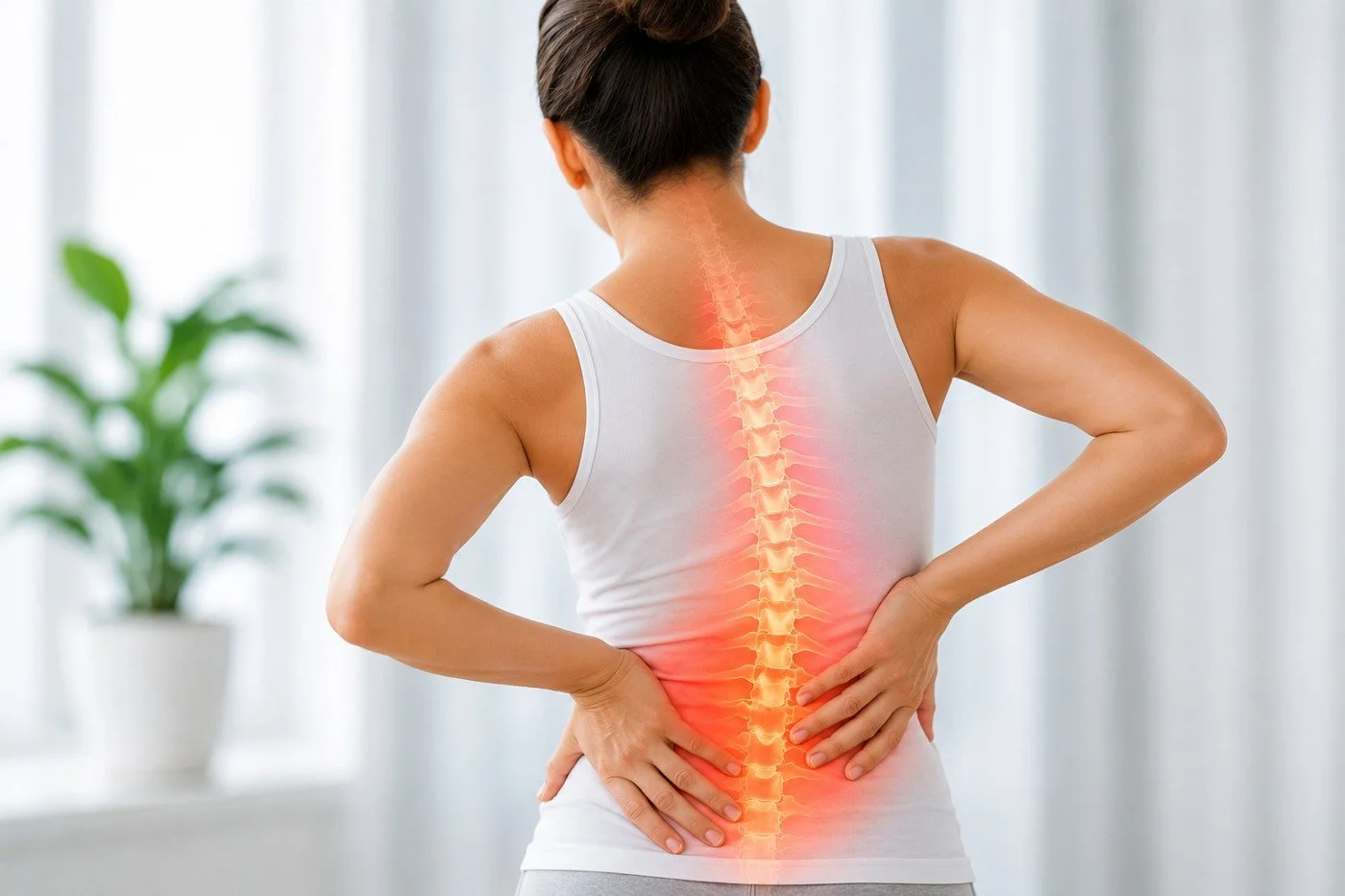
Back Conditions
Physical therapists treat a wide variety of back conditions involving the spine, muscles, joints, discs, nerves, posture, and movement patterns. Back pain can interfere with work, exercise, sleep, lifting, walking, sitting, and overall quality of life.
At Lucas Rehabilitation, treatment plans are individualized to address the root cause of symptoms while improving mobility, stability, strength, and long-term function.
Lumbar Spine Conditions
Lumbar strain and sprain
Lumbar spine dysfunction
Lumbar instability
Lumbar hypomobility
Lumbar hypermobility
Degenerative disc disease
Lumbar osteoarthritis
Lumbar spondylosis
Lumbar facet joint dysfunction
Bulging lumbar discs
Herniated lumbar discs
Annular disc tears
Lumbar spinal stenosis
Spondylolisthesis
Scoliosis
Kyphosis
Postural spinal dysfunction
Thoracic Spine Conditions
Thoracic spine pain
Thoracic joint dysfunction
Thoracic stiffness
Thoracic mobility restrictions
Thoracic muscle strain
Mid-back pain
Rib dysfunction
Postural thoracic pain
Back Pain Conditions
Acute back pain
Chronic back pain
Mechanical low back pain
Recurrent low back pain
Movement-related back pain
Postural back pain
Sleep-related back pain
Pain with lifting or bending
Pain with prolonged sitting or standing
Nerve-Related Conditions
Sciatica
Lumbar radiculopathy
Pinched nerves
Nerve compression syndromes
Radiating leg pain
Numbness and tingling into the legs
Piriformis syndrome
Neurogenic symptoms related to spinal dysfunction
Muscle and Soft Tissue Conditions
Muscle spasms
Paraspinal muscle strain
Myofascial pain syndrome
Trigger points
Fascial restrictions
Soft tissue dysfunction
Core muscle weakness
Tight hip flexors contributing to back pain
Gluteal weakness affecting spinal stability
Postural and Movement Disorders
Forward flexed posture
Poor lifting mechanics
Core instability
Movement coordination impairments
Functional movement dysfunction
Workplace ergonomic dysfunction
Repetitive strain injuries
Sedentary-related movement dysfunction
Injury-Related Conditions
Work-related back injuries
Sports-related back injuries
Lifting injuries
Repetitive stress injuries
Motor vehicle accident injuries
Overuse injuries
Fall-related back injuries
Disc and Joint Conditions
Disc bulges
Disc protrusions
Degenerative joint disease
Facet syndrome
Sacroiliac joint dysfunction
SI joint pain
Joint stiffness
Segmental instability
Pregnancy and Postpartum Back Conditions
Pregnancy-related low back pain
Pelvic instability
Postpartum back pain
Core weakness after pregnancy
Neurological and Balance-Related Conditions
Balance impairments related to spinal dysfunction
Weakness related to nerve irritation
Functional mobility deficits
Gait abnormalities associated with back pain
Post-Surgical Back Conditions
Lumbar fusion rehabilitation
Laminectomy rehabilitation
Discectomy rehabilitation
Post-operative spinal rehabilitation
Scar tissue restrictions after surgery
Post-surgical weakness and stiffness
Pediatric and Adolescent Back Conditions
Adolescent scoliosis
Growth-related back pain
Sports-related back injuries in youth athletes
Postural dysfunction in adolescents
Common Symptoms Physical Therapy May Help Improve
Back pain
Stiffness
Muscle tightness
Sciatic pain
Weakness
Numbness and tingling
Limited mobility
Difficulty bending or lifting
Poor posture
Pain with sitting or standing
Sleep discomfort
Difficulty walking or exercising
How Physical Therapy Can Help Back Conditions
Physical therapy treatment for back conditions may include:
Manual therapy
Therapeutic exercise
Core stabilization training
Postural correction
Joint mobilization
Soft tissue mobilization
Stretching and flexibility exercises
Neuromuscular re-education
Dry needling
Functional movement training
Ergonomic education
Balance and stability training
Home exercise programs
At Lucas Rehabilitation, our goal is to help patients reduce pain, restore movement, improve strength, and return to work, sports, and daily activities with confidence and long-term success.
Lucas Rehabilitation
Functional Therapy. Better Outcomes.