Hip Conditions
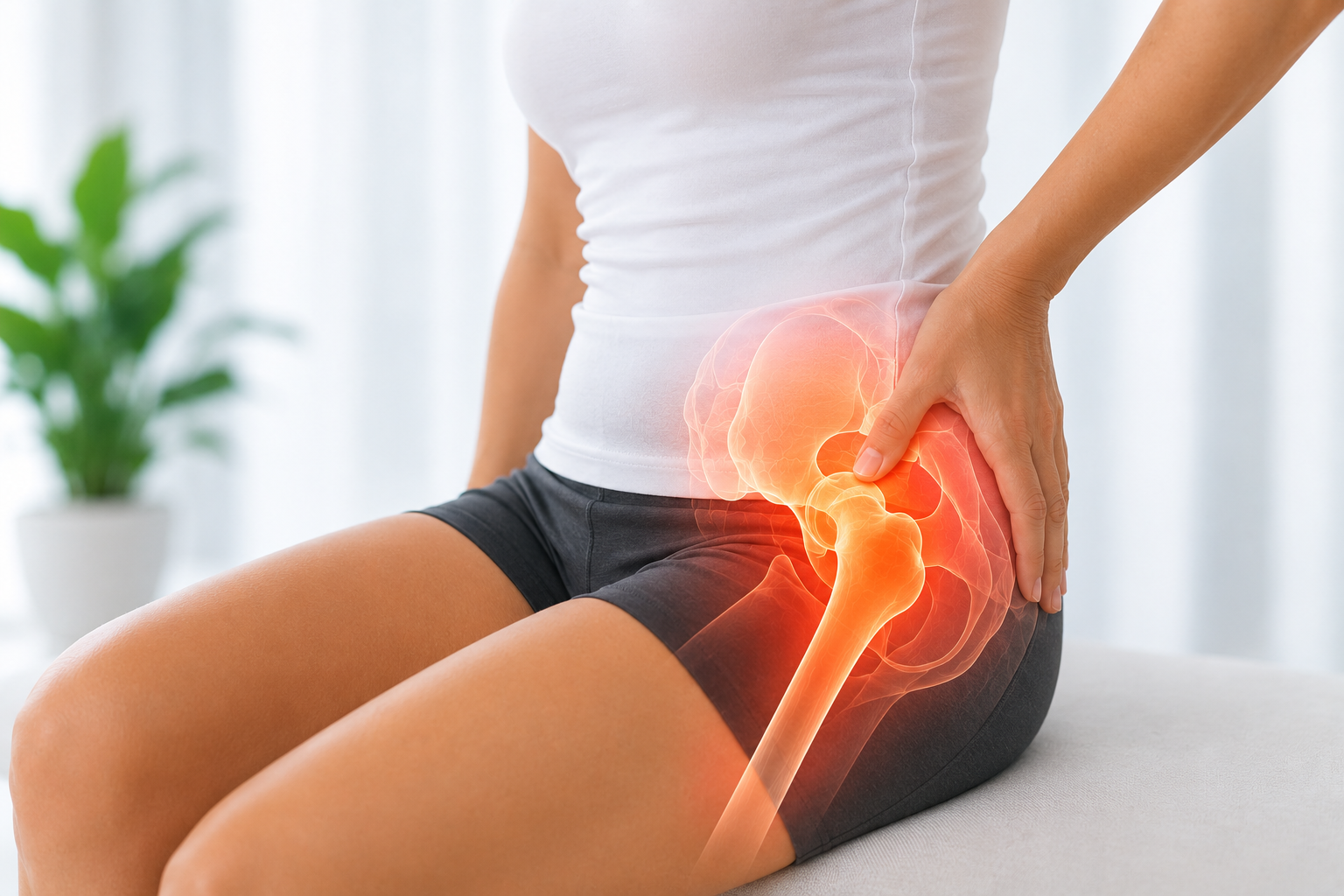
Physical therapists treat a wide variety of hip conditions involving the muscles, tendons, ligaments, joints, cartilage, nerves, posture, and movement patterns of the hip and pelvis. Hip pain and dysfunction can interfere with walking, standing, sitting, exercise, sports, sleep, and daily activities.
At Lucas Rehabilitation, treatment plans are individualized to address the source of symptoms while improving mobility, strength, stability, balance, and long-term function.
Hip Joint Conditions
Hip joint dysfunction
Hip osteoarthritis
Degenerative joint disease
Hip joint stiffness
Joint mobility restrictions
Hip instability
Hip hypermobility
Hip hypomobility
Femoroacetabular impingement (FAI)
Hip impingement syndrome
Labral and Cartilage Conditions
Hip labral tears
Cartilage injuries
Joint degeneration
Chondral defects
Acetabular labral dysfunction
Post-surgical labral rehabilitation
Hip Pain Conditions
Acute hip pain
Chronic hip pain
Mechanical hip pain
Recurrent hip pain
Pain with walking or standing
Pain with sitting
Pain with stairs
Sleep-related hip pain
Activity-related hip discomfort
Tendon and Bursa Conditions
Hip tendonitis
Gluteal tendinopathy
Iliopsoas tendonitis
Hamstring tendinopathy
Trochanteric bursitis
Hip bursitis
Inflammation-related hip pain
Muscle and Soft Tissue Conditions
Hip flexor strains
Gluteal muscle weakness
Piriformis syndrome
Muscle imbalance
Trigger points
Myofascial pain syndrome
Fascial restrictions
Tight hip flexors
Tight IT band
Soft tissue dysfunction
Nerve-Related Conditions
Sciatica
Lumbar radiculopathy affecting the hip
Nerve irritation into the hip or leg
Piriformis-related nerve compression
Radiating leg pain
Numbness and tingling related to hip dysfunction
Postural and Movement Disorders
Pelvic alignment dysfunction
Poor lower extremity mechanics
Dynamic instability
Gait abnormalities
Functional movement deficits
Movement coordination impairments
Repetitive strain injuries
Balance impairments
Sports and Activity-Related Injuries
Running-related hip injuries
Overuse injuries
Sports-related hip pain
Weightlifting-related hip dysfunction
Dance-related hip injuries
Cycling-related hip pain
Athletic hip instability
CrossFit and fitness-related hip pain
Injury-Related Conditions
Hip strains and sprains
Fall-related hip injuries
Traumatic hip injuries
Work-related hip injuries
Repetitive stress injuries
Overuse syndromes
Pelvic and Sacroiliac Conditions
Sacroiliac (SI) joint dysfunction
Pelvic instability
Pelvic asymmetry
SI joint pain
Movement-related pelvic pain
Pregnancy and Postpartum Hip Conditions
Pregnancy-related hip pain
Pelvic girdle pain
Postpartum hip dysfunction
Hip weakness after pregnancy
Pelvic instability during pregnancy
Post-Surgical Hip Conditions
Total hip replacement rehabilitation
Hip arthroscopy rehabilitation
Labral repair rehabilitation
Post-operative hip stiffness
Scar tissue restrictions after surgery
Post-surgical weakness and mobility loss
Pediatric and Adolescent Hip Conditions
Hip pain in adolescent athletes
Growth-related hip dysfunction
Sports-related hip injuries in youth athletes
Developmental movement dysfunction
Neurological and Balance-Related Conditions
Balance impairments
Weakness affecting hip stability
Functional mobility deficits
Gait instability
Movement dysfunction related to hip weakness
Common Symptoms Physical Therapy May Help Improve
Hip pain
Stiffness
Weakness
Instability
Limited range of motion
Difficulty walking
Pain with sitting or standing
Balance problems
Radiating leg pain
Muscle tightness
Pain with exercise
Reduced athletic performance
How Physical Therapy Can Help Hip Disorders
Physical therapy treatment for hip conditions may include:
Manual therapy
Therapeutic exercise
Hip strengthening programs
Core stabilization training
Joint mobilization
Soft tissue mobilization
Stretching and flexibility exercises
Neuromuscular re-education
Balance and stability training
Dry needling
Functional movement training
Gait training
Sport-specific rehabilitation
Home exercise programs
At Lucas Rehabilitation, our goal is to help patients reduce pain, restore movement, improve strength, and return to work, sports, and daily activities with confidence and long-term success.
Lucas Rehabilitation
Functional Therapy. Better Outcomes.